Buying a Classic Car: An Inspection Checklist for First-Time Owners
A classic car is not just transport. It is a hobby, a piece of history, and occasionally a source of creative swearing in the garage. The trick is to know what you are taking on before the money changes hands. A calm, methodical inspection will save you from buying someone else's unfinished restoration. Take your time, bring a torch and a magnet, and work through the following areas one by one. Allow an hour rather than ten minutes, and ignore the seller's gentle hints about other buyers already on their way.
Before You Leave Home: Research and Preparation
Ask the seller for the chassis number, registration, and a selection of photos before you travel. If the car is UK-registered, check its MOT history online—advisories and failures tell a story. Look up common faults for that specific model on owners' club forums. Every classic has known weak points, whether a particular rust trap or a fragile electrical component.
Arrange to see the car in daylight and dry weather. Water hides rust and makes fresh paint look flawless. Ask the seller not to warm the engine before you arrive; you need a cold start. Bring a torch, a small magnet, a rag, gloves, and old clothes. If you can, take a friend who knows classics. A second pair of eyes will notice things you miss.
Do some price research as well. Compare asking prices for similar cars in comparable condition, and look at what recent project cars have actually sold for. A car priced far below the market is rarely a bargain; usually it has a story attached, and not a happy one.
Set Your Budget Before You Fall in Love
Decide what you can spend on the car, then set aside a similar amount again for the first year of ownership. Parts, insurance, MOT work, and the inevitable surprises add up quickly. Knowing your ceiling in advance makes it far easier to walk away from a beautiful car with a serious problem.
Bodywork and Chassis: Where Rust Hides
Rust is the classic car killer. It can be repaired, but the cost and effort are often underestimated. Start with a magnet. If it does not stick to a panel, that area is filled with body filler. Tap gently with your knuckles or a screwdriver handle. A dull thud suggests filler or rust; a clear ring is bare metal.
Check these areas carefully:
- Sills, wheel arches, and jacking points
- Floor pans, especially under the pedals and seats
- Boot floor and spare wheel well
- Battery tray and surrounding metal
- Suspension mounts and chassis legs
- Around windscreen and rear window rubbers
- Door bottoms, bonnet edges, and boot lid
- Headlight surrounds and panel seams
Lift carpets and trim if the seller allows. Water often gets trapped underneath, causing hidden rot. Look for bubbling paint, which almost always means rust beneath. Check panel gaps—uneven gaps suggest accident damage or poor repairs. Look for overspray on rubber seals, glass, and trim. Chrome pitting is cosmetic but expensive to replace.
Rust is like an iceberg: what you see is a fraction of what is there.
Consider a familiar example. The sills on a 1970s sports car can look straight and solid from the outside while the inner member behind them has almost vanished. Putting that right means cutting, welding, and repainting, which is how a "small rust bubble" quietly becomes a four-figure bill.
Engine and Mechanicals: Cold Starts and Hot Idles
The engine must be cold when you arrive. A warm engine can mask starting problems, smoke, and rattles. Start it and listen. Tapping, knocking, or rumbling could mean worn bearings, tappets, or timing chain. Check the exhaust smoke. Blue smoke means burning oil. White smoke can be coolant. Black smoke suggests a rich mixture. Some smoke on start-up is normal for older cars, but persistent smoke is a warning.
Let the engine idle and check the oil and coolant. Oil should be slippery, not gritty or milky. Coolant should be clean, not rusty or oily. Look for leaks under the car. Check belts and hoses for cracks. Inspect the radiator, water pump, and carburettor or fuel injection system for leaks. Check the ignition system—points, condenser, coil, distributor cap, and leads. A battery tray full of rust is a common problem.
After the engine warms up, watch the temperature gauge. It should settle and stay steady. If it climbs, the cooling system may be struggling. Check for unusual noises from the gearbox, differential, or suspension. Fresh oil on the sump or a weep from the rear main seal is a bargaining point, not necessarily a deal-breaker—but a knocking bottom end usually is.
The Test Drive: What to Listen and Feel For
A test drive is essential—never buy a classic car without one. Insist on at least fifteen minutes and a mix of roads: town traffic, a fast stretch, and a few rough surfaces. Let the car idle from cold, then drive it gently for the first few miles before pressing on.
Feel for the following:
- Gear selection, especially when cold, and any crunching into second
- Clutch bite point and any judder when pulling away
- Brakes: pulling to one side, a spongy pedal, or a car that dives under braking
- Steering: vagueness, vibration, or a wheel that will not self-centre
- Suspension knocks and rattles over bumps, and a rear end that feels loose
- Overdrive or fifth gear engaging cleanly, if fitted
- Any smell of petrol, hot oil, or burning electricals
After the drive, let the car idle for a minute and look underneath again. Fresh drips on the ground tell you more than any reassuring words from the seller.
Interior, Trim and Electrics: Comfort and Character
The interior tells you how the car has been treated. Worn seats, cracked dashboard, and sagging headlining are common but can be costly to fix. Check the carpets for dampness and mould. Lift the mats—water often collects in the footwells. A musty smell suggests leaks. Check the spare wheel well for standing water.
Test every electrical item: lights, indicators, wipers, heater, horn, gauges, and window winders. Old wiring can be brittle and troublesome, and a car that has sat outside for years often has corroded earth points behind the dashboard. Check door locks, handles, and boot release. Look for missing trim pieces; some parts are hard to find. Originality matters to many buyers, so note any incorrect seats, steering wheels, or trim. If the interior is rough, factor the cost of restoration into your offer.
Paperwork and Provenance: The Story Behind the Car
Paperwork will not fix a rotten floor, but it can save you from a world of trouble. Ask to see the V5C registration document and check that the seller's name and address match where you are standing. Compare the chassis and engine numbers with the document and with the car itself; mismatches can mean a replacement shell or something less innocent.
Look for a folder of history: old MOT certificates, invoices for parts and labour, a service book, and a heritage certificate if the model has one. Receipts for welding or engine work tell you what has been done, and by whom. An imported car should come with customs paperwork. Check for outstanding finance, and if the car is on a Q plate or is a known rebuild, understand what that means for insurance and resale.
Be wary of a seller who cannot produce any history at all, or one who is selling "on behalf of a friend." Provenance adds value, reassurance, and a sense of continuity—three things worth paying a little more for.
Making an Offer: Turning a Checklist into a Deal
Once you have inspected the car, write down the faults, estimate what each will cost to fix, and use that as the basis of your offer. Stay polite and factual. Sellers respond far better to a reasoned list than to a theatrical sigh.
- Work out a fair market value for a good example of the same model.
- Deduct the cost of the work you have identified, plus a contingency of twenty to thirty per cent.
- Make your offer, explain your figures, and be genuinely prepared to walk away.
- Agree a deposit, a collection date, and what is included—spare parts, tools, and paperwork.
- Get a written receipt, take the V5C, and complete the transfer properly.
Finally, remember why you wanted a classic in the first place. Buy the best car you can afford rather than the cheapest one you can find, keep a little money in reserve for the surprises, and enjoy the tinkering as much as the driving.
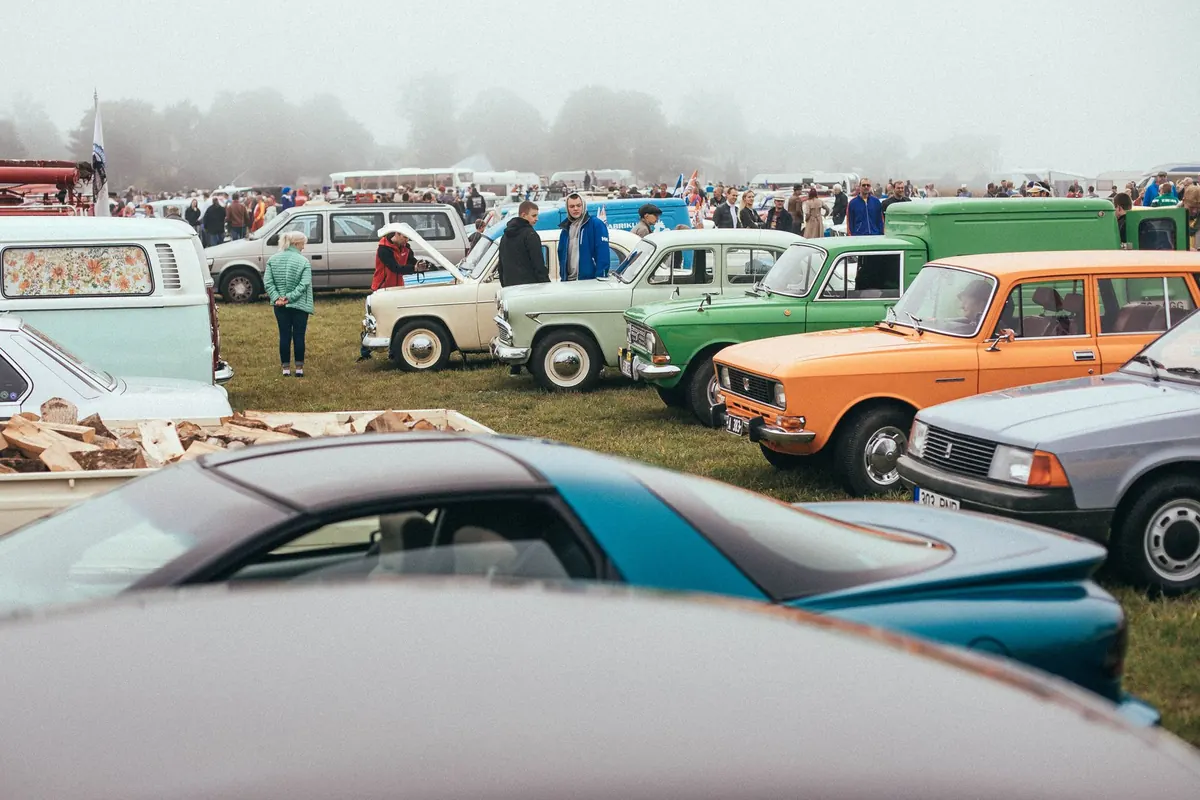
Photo: Hansa1954 / Pixabay
You Might Also Like
A practical guide to planning a local car meet, from picking a venue and handling insurance to promotion, marshalling and clearing up afterwards.
A practical guide to car shows, classic meets and track days across the Severn region in 2024, with the venues worth planning around and tips for a good day out.