How to Organise a Successful Local Car Meet: A Step-by-Step Guide
A good car meet looks effortless. Cars roll in, owners stand around comparing wheel offsets and rust repairs, someone sells bacon rolls out of a hatchback, and by mid-afternoon the car park is spotless again. What nobody sees is the fortnight of emails, the laminated signs, and the friend who agreed to stand at the entrance in a hi-vis vest at 8am.
None of that is difficult, but it does need doing in a sensible order. Here is how to run a meet that people trust enough to come back to.
Decide What the Meet Actually Is
Vague meets attract a vague crowd. Before you look at venues, settle four things: what kind of cars you want, roughly how many, what time of day, and whether families and dogs are welcome. A classic Mini owners' gathering and an all-welcome evening meet are both good events, but they need different car parks, different timings and different promotion.
Numbers drive everything else. Fifteen cars in a pub car park needs nothing but permission and good manners. A hundred and fifty cars needs marshals, one-way flow, toilets, bins and probably a conversation with the local council. For a first event, aim for thirty to fifty cars. Get that right and you have a reputation to build on.
Also decide whether it is arrive-and-park or show-and-display. Parked-up display cars look better and photograph better, but they commit owners to staying for hours. Rolling meets keep people moving. Choose one and say so clearly in the invitation.
Find a Venue That Wants You There
The most common mistake is choosing a car park and hoping nobody objects. Instead, start with places that stand to gain something: a pub with a large overflow car park, a farm shop, a garden centre, a karting circuit, a village hall with a field, or a retail park whose Sunday trade is quiet.
Ask to speak to the manager, not the person on the till. Explain the date, the times, the number of cars you expect and what the venue gets out of it — lunch trade, a donation, new customers. Then confirm it in writing with a short email: date, start and finish times, which part of the site you are using, who clears up afterwards. Ask for a named contact and a mobile number for the day itself.
Venue checklist
- Written permission from whoever actually owns or manages the land
- Toilets and somewhere to buy food or a hot drink
- A single entrance, or a one-way system, once numbers pass around forty cars
- Safe places for marshals to stand, away from moving traffic
- Surface and layout — gravel, speed bumps and tight ramps are not friendly to lowered cars
- Lighting if the meet will run past dusk
- Bins on site, plus a plan for whatever is left behind
- Whether the venue wants a fee, a donation, or a copy of your insurance
Sort the Paperwork Early
Public liability insurance is the item most organisers leave too late. Many venues will ask for evidence of cover before they confirm a booking, and arranging it takes longer than you think. Owners' clubs often include event cover within membership — check before buying a separate policy.
If you are using council-owned land or a public car park, you will usually need permission, and anything involving music, catering or trading may need a temporary event notice. Rules differ from one authority to the next, so ring the council's licensing team and ask rather than assume. This is general guidance, not legal advice; your local authority and insurer are the people to confirm the details with.
Noise is the other quiet killer. Engines revved at seven in the morning or after ten at night will end a meet faster than any complaint about parking. Set a clear rule, put it on the signage, and enforce it politely but immediately.
Promote It Where Your People Already Are
You do not need a marketing budget. You need to post in the places local enthusiasts actually look: owners' club forums, regional Facebook groups, Instagram with a location tag, the local paper's what's-on listing, and a printed flyer in the window of the café that is hosting you.
Every post should answer the same questions: date, times, full address, what kind of cars, whether it is free, whether children and dogs are welcome, and how to park when you arrive. Say "around thirty to forty cars, everything welcome" and beat it rather than promising two hundred and delivering forty. Post again the day before with a note on the weather and anything that has changed.
Run the Day Like a Small Operation
Turn up early, work from a simple running order, and give one person the title of organiser for the day. That person stays sober, stays contactable, and is the one the venue or the emergency services speak to if something goes wrong.
- Two hours before: you and two helpers walk the site, move anything in the way, and set out cones, bins and signs.
- Half an hour before: marshals take up position in hi-vis — one on the entrance directing traffic, one inside guiding cars into rows.
- On arrival: greet every car, point to a space, and leave enough room between vehicles for a door to open comfortably.
- During the meet: keep an eye on the entrance, the bins and the exits. Photograph everything; today's pictures are next event's promotion.
- Final hour: sweep the site for cable ties, cigarette ends and oil spots. Keep a bag of absorbent granules in the boot for spills.
- Within two days: post a thank-you, the photos and the date of the next one.
Have a stocked first-aid kit and know where the nearest hospital is. For larger events, ask the venue what first-aid provision they expect.
Keep It Going
Afterwards, ask three questions: what worked, what did not, and who is willing to help next time. Build a small team of four to six people so the meet does not depend on one person's free Sundays, and rotate the roles so nobody burns out. Keep a running note of what the venue asked for, what cover cost and how many cars actually turned up. Those notes make the second event twice as easy as the first.
Before You Announce the Date
Permission confirmed in writing. Insurance sorted. Marshals lined up. Bins arranged. Rules agreed with the venue. A named organiser with a phone number that works. Once those six things are true, publish the date and let people know what to expect.
The meets that last are not the biggest ones. They are the ones that start on time, park people safely, and leave the car park cleaner than they found it. Get that right and word travels on its own.
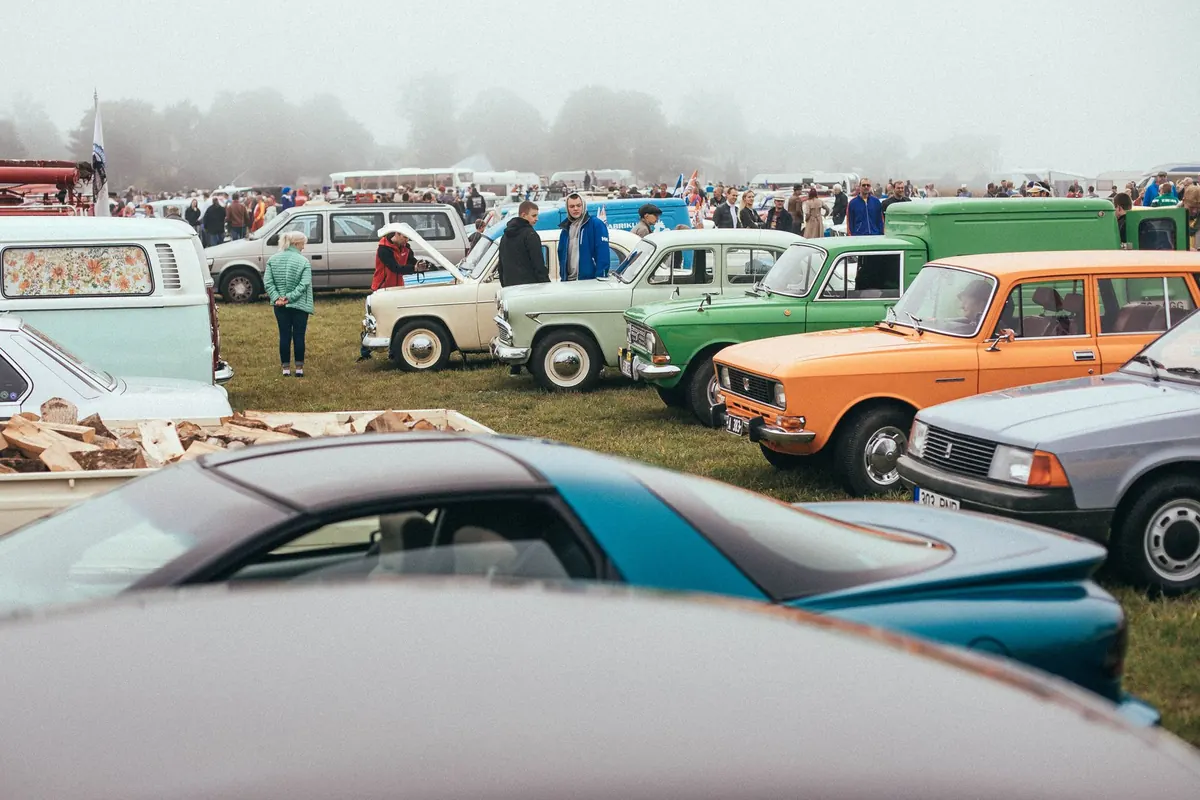
Photo: Hansa1954 / Pixabay
You Might Also Like
A practical guide to car shows, classic meets and track days across the Severn region in 2024, with the venues worth planning around and tips for a good day out.
Inspecting a classic car takes patience and a checklist. From rust-prone sills to matching numbers, here's what first-time buyers should examine before parting with cash.