Electric Vehicle Charging in the Severn Region: Where to Find Points and How to Use Them
Electric cars are no longer a curiosity on Severn region roads. You will spot them plugged in at retail parks in Tewkesbury, on the edge of car parks in Shrewsbury, and clustered around the M5 services at Strensham and Michaelwood. The network has grown quickly and unevenly, which means a little planning still pays off. Here is what is actually available across Shropshire, Worcestershire and Gloucestershire, and how to use it without losing an afternoon.
The three kinds of charging you'll meet
Almost every public charge point in the region falls into one of three groups, and knowing which is which saves a lot of standing around.
- Slow and fast AC (typically 7kW or 22kW). Car parks, hotels, leisure centres and supermarkets. You bring your own Type 2 cable and stay an hour or more. Perfect while you shop, work or sleep; useless mid-journey when you are in a hurry.
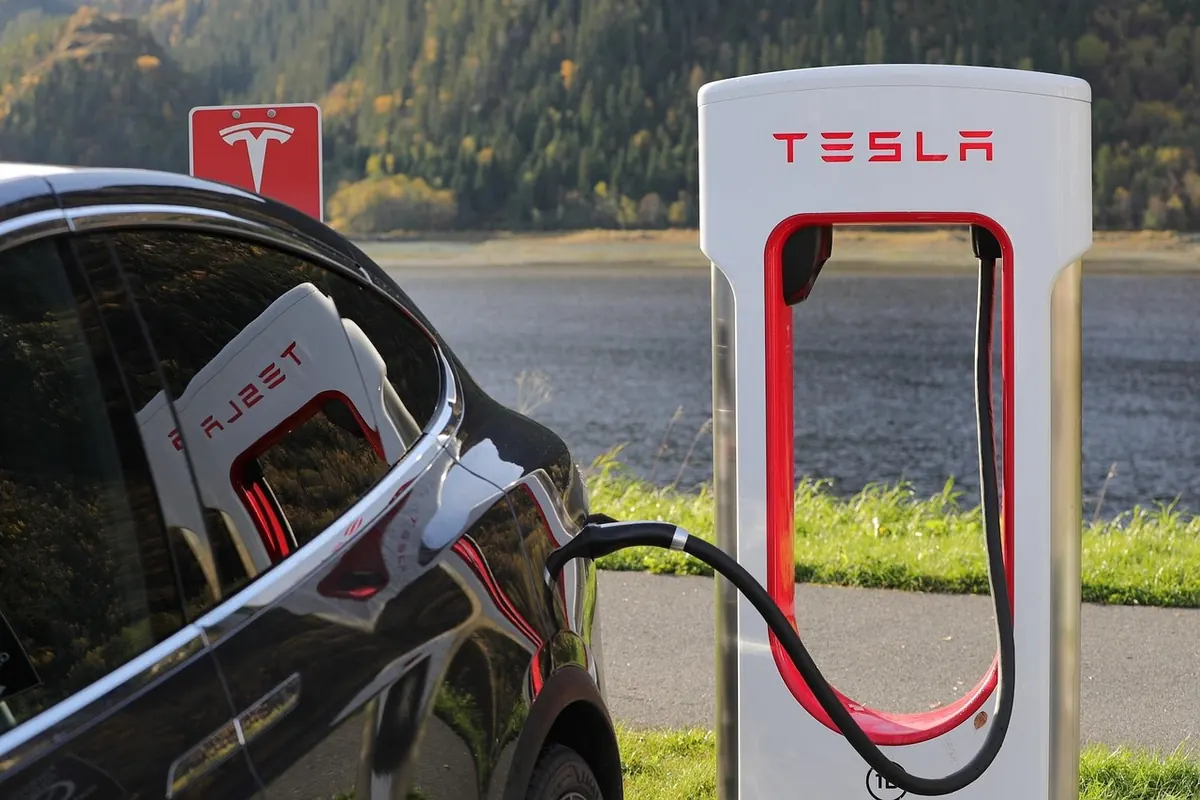
- Rapid DC (usually 50kW). Fixed cables with a CCS connector, often good for a useful top-up in half an hour or so. These are the workhorses at service areas and town hubs.
- Ultra-rapid DC (100kW and above). Increasingly common at newer hubs. Your car's own limits and its battery state matter as much as the charger's rating.
Older CHAdeMO connectors still exist, mainly of interest if you run an early Leaf or similar. Type 2 for AC and CCS for DC covers almost everything built in the last few years.
Shropshire: solid in the towns, thinner in the hills
Shrewsbury, Telford and the M54 corridor are the easiest places to charge. Telford's retail parks and the industrial estates along the A442 have built up a decent cluster of rapids, and Shrewsbury has a spread of points in long-stay car parks and at supermarkets. Arriving on a low battery for a day's visit is no longer the drama it once was.
Head west and the picture changes. The A5 towards Oswestry, the A49 down through Church Stretton to Ludlow, and the lanes around the Long Mynd have far fewer options, and some villages have none at all. If your trip involves a cottage near Clun or a walk at Carding Mill Valley, charge at your base or in the nearest town and treat any village point as a bonus rather than a plan.
Worcestershire: strongest along the M5 and around Worcester
The M5 does most of the heavy lifting. Service areas between Frankley and Strensham have offered rapid charging for years, and retail parks in Redditch, Bromsgrove and Kidderminster have filled in gaps. Worcester itself is reasonably well served, with points at supermarket car parks, park-and-ride sites and several hotels.
Malvern, Evesham and Pershore are more mixed. You will usually find something in the towns, but the rural belt between Worcester and the Malvern Hills offers lovely driving and thin infrastructure. Many owners here charge at home and top up on longer runs rather than relying on public points week to week.
Gloucestershire: two motorway service areas and a growing town network
Gloucestershire has an advantage most counties envy: two M5 service areas, at Gloucester and Michaelwood, plus the busy A417 and A419 feeding traffic towards the M4. Charging hubs have also appeared at retail parks around Gloucester and Cheltenham, and both Cirencester and Stroud have usable points near the centre.
The Forest of Dean is the exception. Coleford, Cinderford and Lydney have some provision, but the lanes between them are not where you want to be hunting for a working charger after dark. If you are staying in the Forest, charge where you sleep, or stop in Gloucester or Monmouth on the way in.
The corridors: M5, M50, A5 and A49
Think of the region as three spines. The M5 runs north to south with the best choice of rapid and ultra-rapid sites. The M50 and A40 cover the west and the route into south Wales. The A5, A49 and A483 serve north Shropshire and the Welsh border.
Coverage is not evenly spread. The M5 between junctions 4 and 13 is comfortable; the M50 west of Tewkesbury is sparse; the A49 south of Shrewsbury passes towns with chargers but plenty of nothing in between. A useful habit is to pick a charging stop and name a backup fifteen to twenty miles further on. If the first is busy, broken or blocked, you have somewhere to go rather than a decision to make at the roadside.
Planning a charge that actually works
Apps do most of the thinking, but they reward a little scepticism. Live availability is often an estimate, and a charger that worked last month may have been out since Tuesday.
- Check the route the night before. Zapmap, PlugShare and A Better Route Planner all cover UK networks. Pick one and stick with it so you learn its quirks.
- Filter by connector and speed. There is no point routing to a 7kW post when you need to be in Bristol by lunchtime.
- Read the newest check-ins. Two drivers reporting a fault this week beats a green pin on a map.
- Plan the arrival state, not just the stop. Going from 20% to 80% is quick; the final 20% is slow. On a long run, two shorter stops usually beat one long one.
- Charge at your destination, not on the way home. If the hotel, retail park or a friend's driveway has a point, use it while the car is parked anyway.
Cold weather reduces range and slows charging, so in winter add a stop rather than stretching to the one you planned.
Payment has moved in drivers' favour. Prices must be shown in pence per kilowatt hour, contactless card payment is now expected at new rapid chargers, and a helpline number should be on the unit. Apps often beat the contactless rate, and some networks place a pre-authorisation hold on your card before the session starts, which can look alarming until it clears. Watch for idle fees too: most networks begin charging once your car has finished and is still plugged in.
Before you set off
Get the basics right and most trips across the Severn region are straightforward. Carry your own Type 2 cable, keep a contactless card as well as your apps, and don't treat any single charger as guaranteed. Charge at home or at your destination when you can, save rapids for the journey itself, and allow fifteen minutes of slack on a route you have not driven before.
If you are new to electric motoring and unsure what your car can accept, your dealer or a good independent can confirm the maximum charging rate and connector type. It takes five minutes to check and saves a lot of guessing on a forecourt.
Photo: Blomst / Pixabay


You Might Also Like
A practical guide to planning a local car meet, from picking a venue and handling insurance to promotion, marshalling and clearing up afterwards.
A practical guide to car shows, classic meets and track days across the Severn region in 2024, with the venues worth planning around and tips for a good day out.